How to Prepare for an Excavation Project
Preparing for an excavation project means confirming the scope, permits, utility locations, site access, drainage needs, safety requirements, and material handling plan before work begins. In Southern Maryland, start by hiring a qualified local contractor, reviewing the project layout, clearing the work zone, and confirming responsibilities, schedules, and approvals in writing.
What should I do first to prepare for an excavation project?
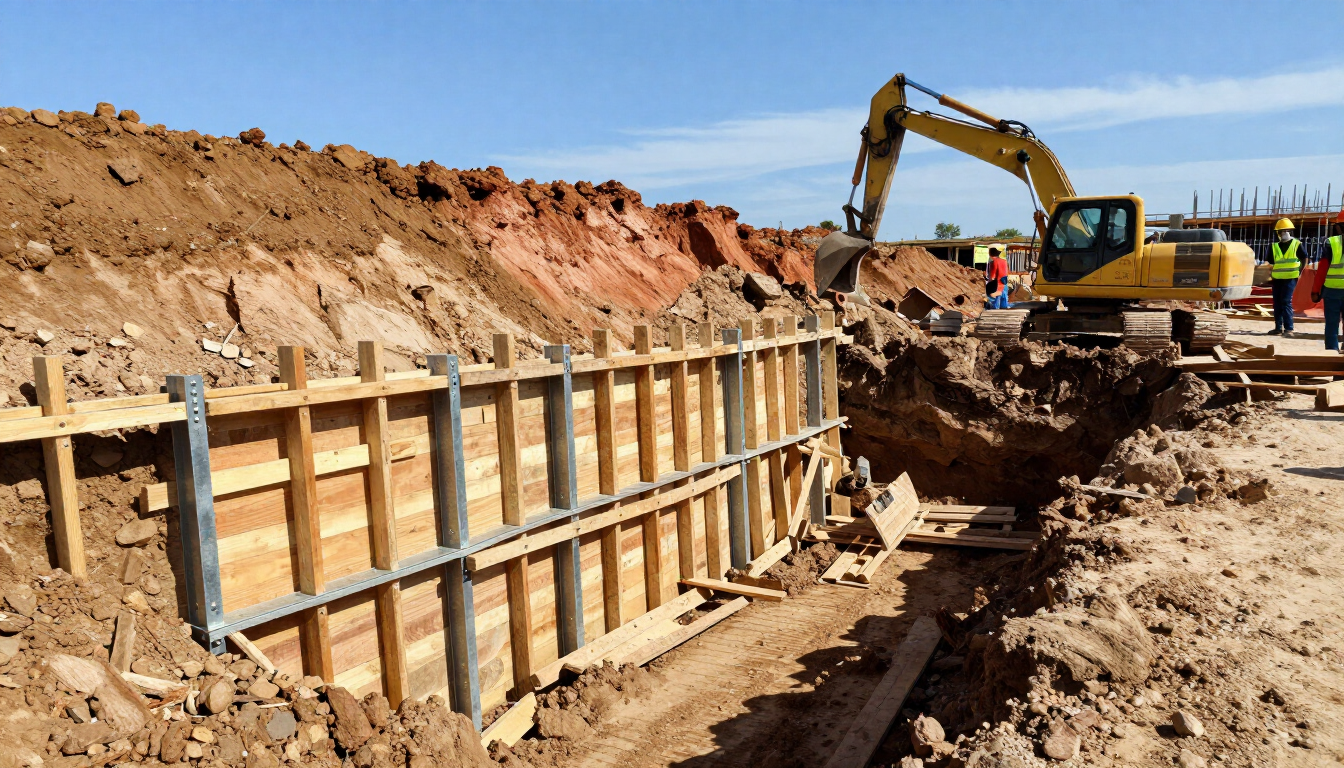
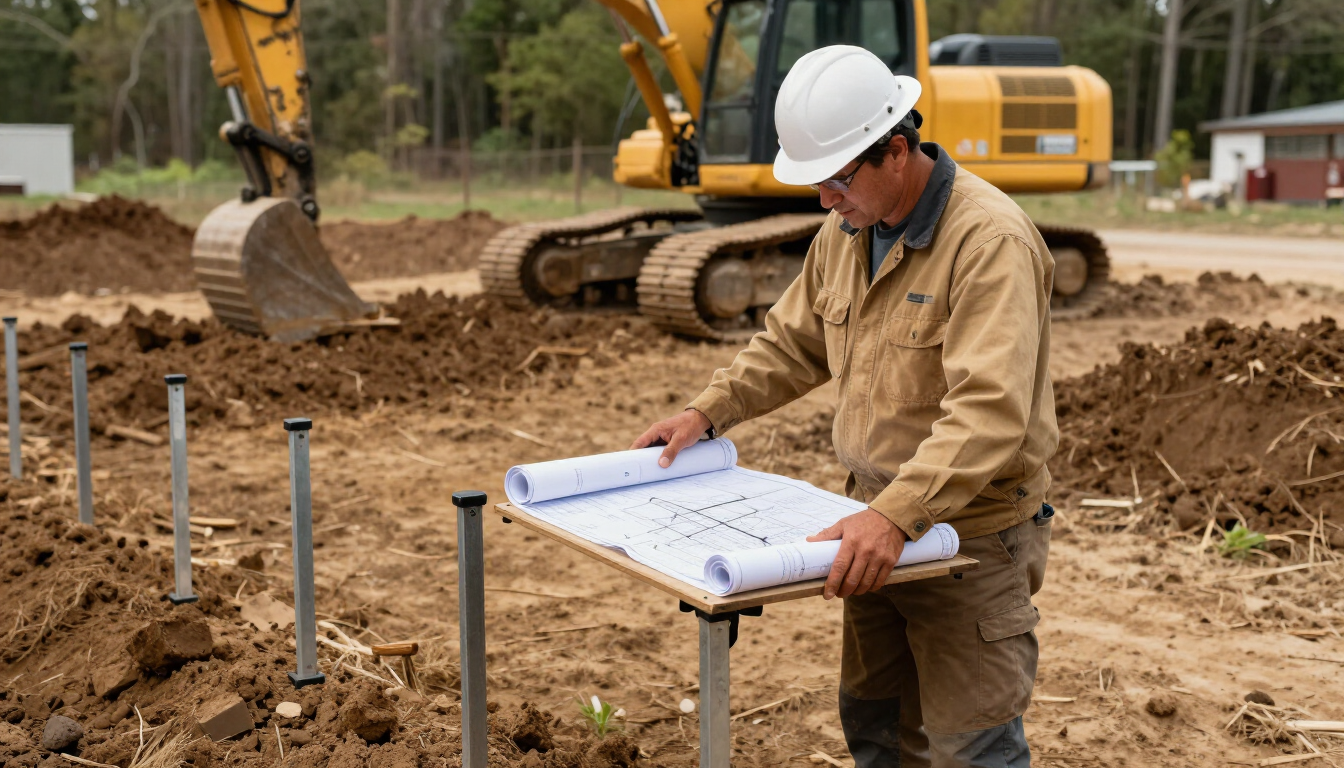
The best first step is to define exactly what the project requires. Excavation can involve foundation digging, grading, drainage, utility trenches, driveway preparation, demolition, pond work, or a combination of services. A clear scope helps your contractor estimate labor, equipment, disposal, materials, and timing accurately.
Before requesting an estimate, gather:
- The property address and a brief description of the work
- Site plans, surveys, engineering drawings, or permit documents
- Approximate dimensions and desired depths
- Photos of the work area, access points, slopes, and nearby structures
- Your preferred timeline and any scheduling restrictions
A professional contractor can help identify missing details during the site visit. You can also review the company’s excavation services and site work options to understand which services may be part of your project.
How do I check permits and local requirements?
Permit requirements vary according to the project, property location, excavation depth, environmental conditions, and proximity to roads, waterways, structures, and public infrastructure. Ask your contractor which permits or approvals may apply before equipment arrives.
Depending on the project, requirements may include:
- Building or grading permits
- Erosion and sediment control measures
- Storm-water management approvals
- Utility or right-of-way coordination
- Septic, well, shoreline, or environmental reviews
- Engineering plans or inspections
Do not assume that a small project is automatically exempt. Local requirements can change by municipality and county. Southern Maryland properties may also have wooded areas, slopes, clay soils, drainage concerns, or sensitive waterways that affect the work plan.
Your contractor may coordinate parts of the process, but the property owner should understand what has been submitted, approved, and scheduled. For related planning, see storm water management and sediment control .
How are underground utilities located before digging?
Utilities must be located before excavation begins. Contact Miss Utility or the appropriate local utility-marking service within the required timeframe, and wait for the markings to be completed before authorizing digging. Never rely only on old plans, visible pipes, or a previous project’s markings.
Ask your contractor whether private utilities also need to be located. Public marking services may not identify lines serving detached garages, wells, septic systems, irrigation, outdoor lighting, private electrical equipment, or other improvements on private property.
Before work starts:
- Keep utility marks visible and protected.
- Tell the contractor about any known underground lines or tanks.
- Identify septic fields, wells, drainage pipes, and buried low-voltage wiring.
- Avoid moving stakes, flags, paint, or protective barriers.
- Confirm the safe digging procedure near marked utilities.
If markings fade or the project is delayed, ask whether they must be refreshed. Accurate utility information protects workers, prevents service interruptions, and helps avoid expensive repairs.
How should I prepare access to the property?
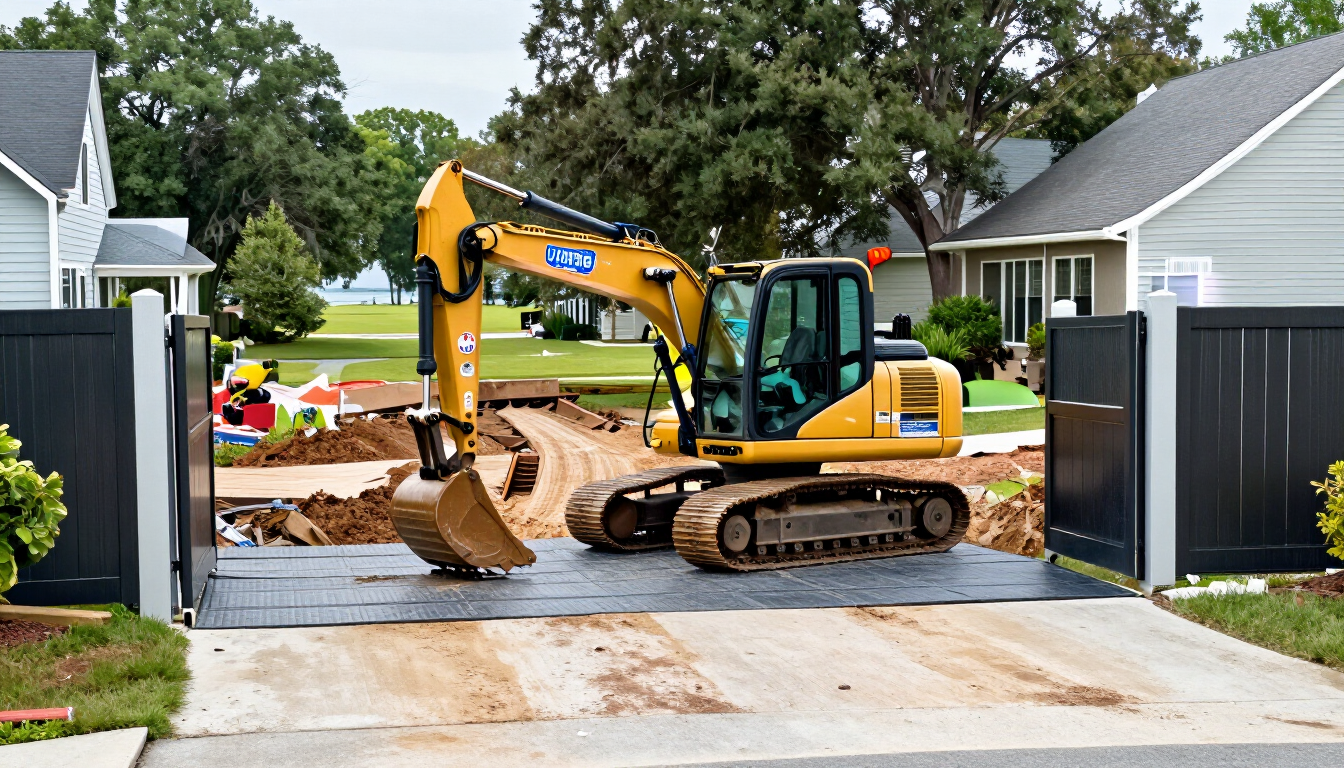
Excavation equipment needs a safe, stable route from the public road to the work area. Walk the access path with your contractor and discuss gates, fences, retaining walls, overhead wires, trees, septic components, landscaping, and narrow passages.
Measure gates and turning areas rather than estimating visually. Excavators, skid steers, dump trucks, concrete trucks, and trailers all require different clearances. A contractor may recommend temporary fence removal, tree trimming, ground protection, or a different equipment size.
Before mobilization:
- Move vehicles, trailers, boats, toys, furniture, and stored materials.
- Keep children and pets away from the active work zone.
- Trim or remove approved vegetation that blocks equipment access.
- Identify surfaces that could crack, rut, or be damaged by heavy loads.
- Tell neighbors if trucks may affect shared driveways or parking.
Do not clear trees, remove structures, or disturb soil without confirming the plan. Unplanned clearing can affect permits, drainage, environmental protections, and the final estimate. If clearing is included, review the available brush and tree clearing services.
What should I remove or protect before excavation?
Prepare the work zone by removing items that could obstruct equipment or be damaged by vibration, dust, mud, falling debris, or changing grades. Photograph nearby features before work begins. These photos create a useful record of existing conditions.
Protect or clearly identify:
- Fences, sheds, decks, patios, driveways, and retaining walls
- Trees, gardens, irrigation equipment, and outdoor lighting
- Wells, septic tanks, drain fields, and cleanouts
- Utility boxes, hydrants, meters, and survey monuments
- Neighboring structures and shared property features
Discuss dust, noise, mud, and truck traffic with your contractor. Some projects require temporary access restrictions or changes to normal parking. A simple communication plan reduces confusion and helps keep the site safe.
How can I prepare for soil, drainage, and weather issues?
Soil conditions determine how easily the site can be excavated, shaped, compacted, and restored. Wet soil may rut easily and lose its load-bearing capacity. Rocky ground, buried debris, groundwater, expansive clay, or undocumented fill can change the scope and cost.
Ask how the contractor will handle:
- Stockpiled soil and usable topsoil
- Unsuitable soil, rock, concrete, or debris
- Rainwater and temporary drainage
- Erosion and sediment protection
- Compaction and backfill testing, if required
- Final grading and surface restoration
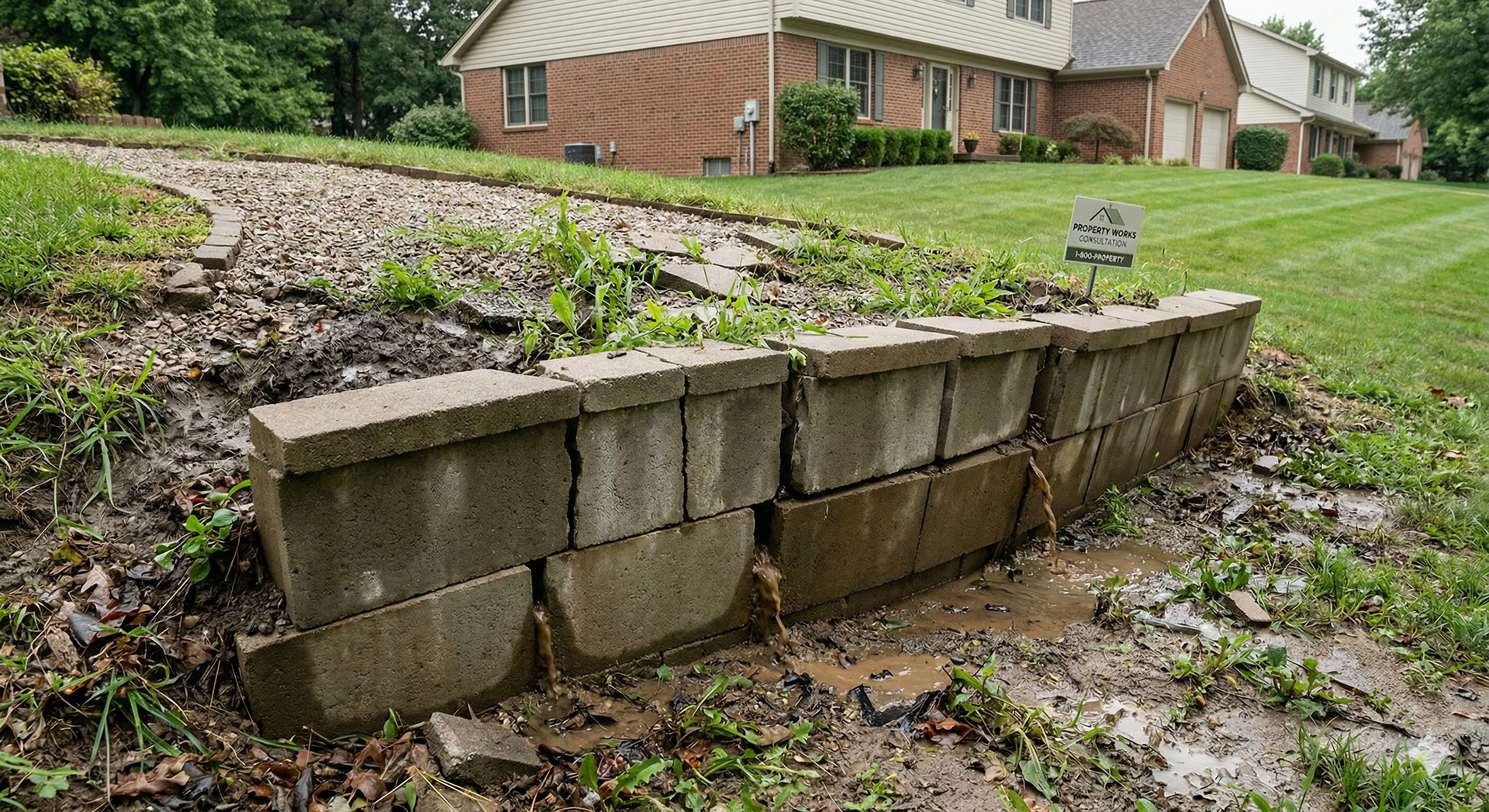
Weather can delay excavation, especially during periods of heavy rain or freezing temperatures. Do not schedule critical deliveries immediately after a storm without confirming site conditions. If grading or drainage is part of the project, review land grading and leveling and retaining wall solutions before work begins.
What should be included in the excavation estimate?
A detailed written estimate should explain what is included, what is excluded, and how unexpected conditions will be handled. The lowest initial price may not be the best value if disposal, restoration, permits, or unsuitable soil are omitted.
Ask whether the estimate covers:
- Mobilization and equipment charges
- Excavation, grading, trenching, or demolition
- Hauling and disposal fees
- Imported fill, stone, topsoil, or concrete materials
- Utility coordination and permit support
- Erosion control and site protection
- Backfill, compaction, and final grading
- Restoration of lawns, driveways, asphalt, or concrete
- Change-order procedures for hidden conditions
Clarify the payment schedule, insurance coverage, expected duration, weather delays, and cleanup responsibilities. If the project also includes slabs, walkways, footings, or other hardscaping, compare the related concrete services before approving the scope.
How do I prepare for demolition connected to excavation?
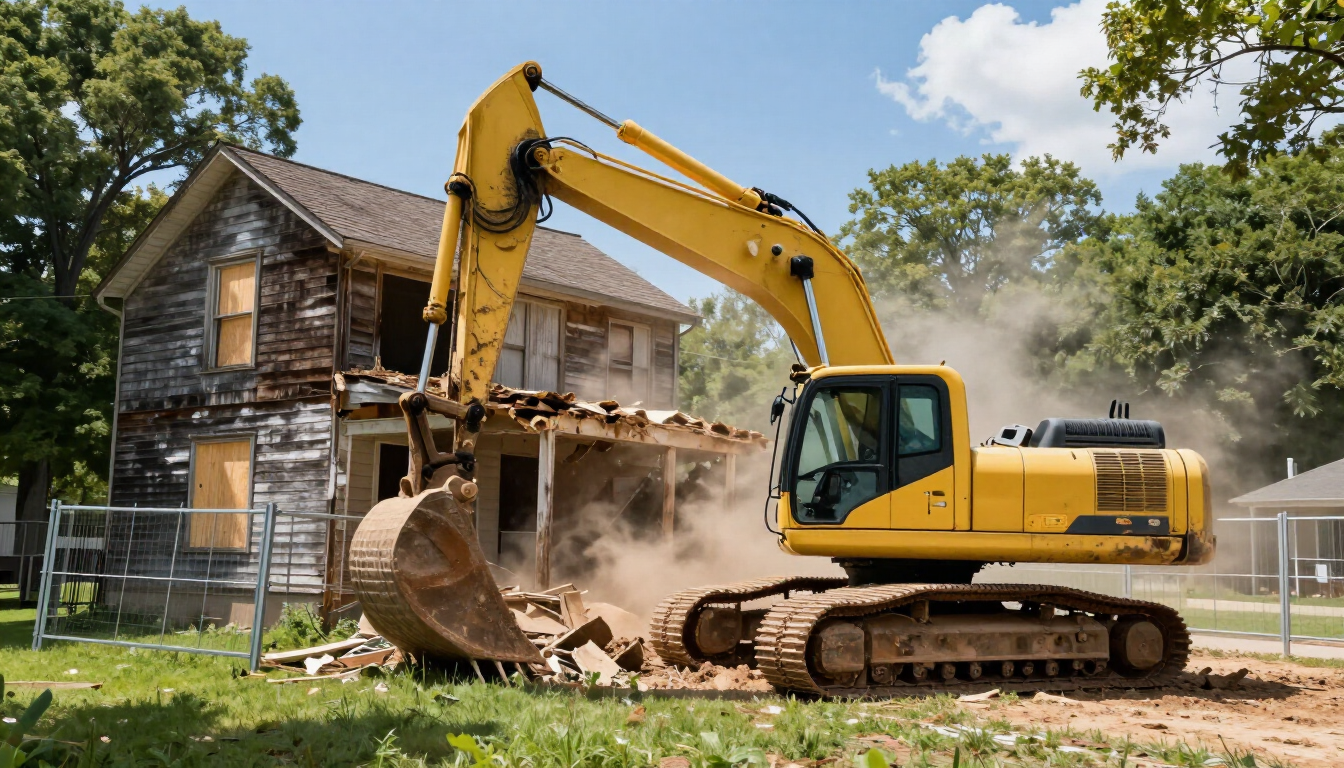
Some excavation projects begin with demolition. This may involve removing an old driveway, shed, patio, foundation, asphalt surface, or damaged concrete. Confirm which structures will be removed and whether hazardous materials, salvageable items, or special disposal requirements are involved.
Before demolition, remove personal belongings and disconnect services only through qualified professionals. Ask how debris will be separated, loaded, transported, and disposed of. Verify whether the work requires additional permits or inspections.
A clear demolition plan should identify:
- The exact structures and surfaces being removed
- Items that must remain undisturbed
- Utility shutoffs and verification steps
- Dust, vibration, and noise controls
- Debris removal and cleanup
- Temporary barriers and site security
You can review demolition services when excavation and removal are part of the same project.
What safety steps should homeowners follow?
Homeowners should treat an excavation area as an active construction zone. Open trenches, unstable edges, moving equipment, stockpiles, and temporary drop-offs can create serious hazards even when work is paused.
Follow these basic rules:
- Stay outside barricaded areas and never enter an open trench.
- Keep children, guests, and pets away from equipment.
- Do not climb on soil piles, machines, or temporary structures.
- Follow the contractor’s instructions about access and parking.
- Report unusual water flow, soil movement, exposed utilities, or damaged barriers.
Maintain clear communication with the crew lead. If you need access through the work area, ask before entering rather than assuming the equipment is inactive.
Why choose a local Southern Maryland excavation contractor?
A local contractor understands regional soil, drainage, access, permitting, and service-area considerations. Local knowledge can make it easier to plan for the conditions found across St. Mary’s County, Mechanicsville, Leonardtown, and nearby Southern Maryland communities.
A full-service company may also coordinate excavation with grading, concrete preparation, demolition, asphalt, drainage, and restoration. This can reduce scheduling gaps between multiple subcontractors and create clearer accountability.
Explore the company’s Southern Maryland service areas , Leonardtown services , and St. Mary’s County services to confirm coverage.

Frequently asked questions about preparing for excavation
Do I need to be home when excavation starts?
Not always, but the contractor should have access, current contact information, approved plans, and clear instructions. Being available for the initial site briefing can help resolve questions quickly.
How far in advance should I schedule excavation?
Schedule as early as possible, especially for projects involving permits, engineering, utility coordination, concrete deliveries, or seasonal weather concerns. Your contractor can provide a realistic mobilization window after reviewing the site.
What happens if the contractor finds rock or buried debris?
Hidden conditions may require additional equipment, labor, disposal, or design changes. Ask in advance how unexpected conditions will be documented and approved before extra work proceeds.
Should I arrange waste removal myself?
Usually, the contractor can include hauling and disposal in the estimate. Confirm whether soil, concrete, asphalt, brush, and general debris are priced separately because each material may have different handling requirements.
Final excavation preparation checklist
Preparing for an excavation project is mainly about removing uncertainty before equipment arrives. Define the scope, confirm permits and utility markings, prepare safe access, protect nearby features, discuss soil and drainage, and review every estimate detail in writing. These steps are especially important in Southern Maryland, where property conditions and local requirements can vary. Before approving work, compare the contractor’s plan, timeline, insurance, communication process, and handling of unexpected conditions. Then use the completed checklist to request a clear estimate or free excavation estimate . A prepared site helps the crew work more safely, efficiently, and predictably.
Recent Posts