How to Hire Home Demolition Services in Southern MD (2026)
Home demolition services provide the professional removal of residential structures, including houses, garages, and sheds. In Southern Maryland, this involves securing permits, disconnecting utilities, and utilizing heavy machinery like excavators to safely tear down buildings while managing debris and preparing the land for new construction projects.
What are home demolition services in Southern MD?
When homeowners in Southern Maryland look to rebuild or clear a property, they turn to home demolition services . This specialized field goes far beyond simply knocking down a building. It is a highly regulated and technical process that ensures a structure is removed without damaging neighboring properties, utility lines, or the local environment. In areas like Charles County, St. Mary’s County, and Calvert County, demolition contractors manage everything from the initial structural assessment to the final debris hauling.
Professional home demolition services handle various residential needs, including:
- Full house teardowns for custom new builds
- Selective demolition of garages or outbuildings
- Post-fire or post-storm structural removal
- Clearing abandoned or unsafe properties
- Interior gutting for major home renovations
Choosing a local expert is critical because Southern Maryland has unique coastal and rural zoning laws. A local contractor understands the specific sediment control and storm water management requirements that apply to our region, ensuring your project stays compliant with Maryland state law.
3 Reasons to Consider Residential Demolition
There are several scenarios where repairing an existing structure is no longer viable or cost-effective. Here are three primary reasons homeowners opt for full demolition:
- Structural Integrity Issues : Older homes in Southern MD may suffer from severe foundation failure, termite damage, or rot that exceeds the cost of renovation. In these cases, starting with a clean slate is the safer and more financialy sound choice.
- Property Value Optimization : Sometimes, the value of a property lies in the land itself. Demolishing an outdated or dilapidated structure allows for the construction of a modern, energy-efficient home that significantly boosts resale value.
- Hazardous Material Removal : Many older homes contain asbestos or lead-based paint. While remediation is possible, a controlled demolition performed by experts ensures these materials are handled and disposed of according to strict safety protocols.
How much does home demolition cost in Southern MD?
The cost of home demolition services in our region typically depends on several variables. While national averages exist, Southern Maryland homeowners should budget based on the square footage of the home, the materials used in construction, and the accessibility of the site.
Factors affecting your demolition quote include:
- Square Footage : Larger homes require more labor and more trips for debris disposal.
- Material Type : A wood-frame house is generally cheaper to demolish than a brick or concrete structure.
- Hazardous Materials : If asbestos is found, specialized abatement teams must be brought in before the main demolition begins.
- Foundation Removal : Taking out a full concrete basement is a more intensive process than clearing a crawlspace.
- Permit Fees : Each county in Southern MD has its own fee structure for demolition permits and environmental impact reviews.
To get an accurate picture of your investment, it is always best to request a free estimate from a contractor who can walk the property and identify potential complications early on.
The Step-by-Step Home Demolition Process
A successful demolition project is built on careful planning and execution. It is not just about the day the excavator arrives; it is about the weeks of preparation leading up to it. Here is the typical workflow for home demolition services in Southern Maryland:
1. Inspection and Permitting
Before any equipment moves, the structure must be inspected. This includes checking for hazardous materials and ensuring the building is vacant. Your contractor will then apply for the necessary permits from the local building department. This step ensures that the demolition complies with local safety and environmental codes.
2. Utility Disconnection
Safety is the top priority. All utilities—electricity, gas, water, and sewer—must be professionally disconnected and capped. In rural parts of Southern MD, this also includes properly decommissioning septic tanks and wells to prevent future ground sinks or contamination.
3. Site Preparation
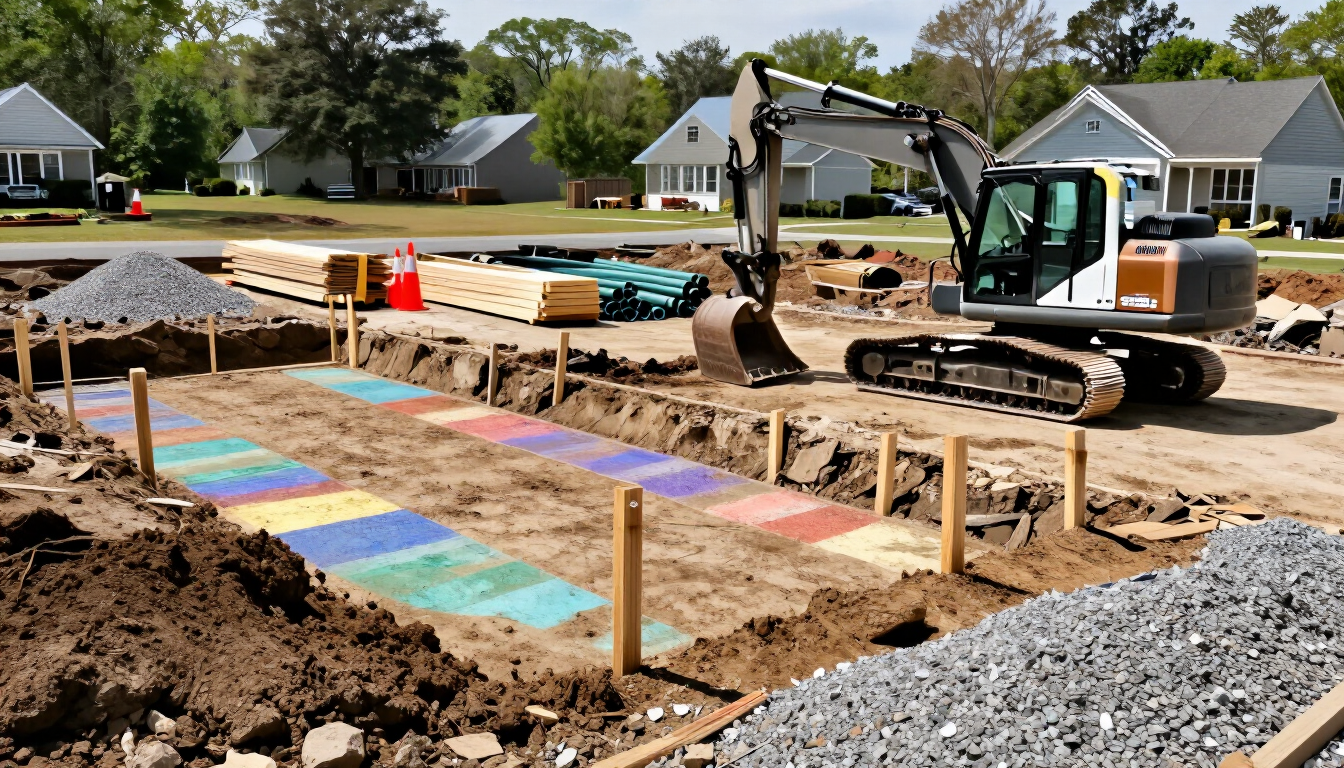
Silt fences and other sediment control measures are installed to prevent runoff into local waterways, such as the Patuxent or Potomac Rivers. Protecting the surrounding landscape and neighboring homes is a vital part of the site work phase.
4. Structural Tearing Down
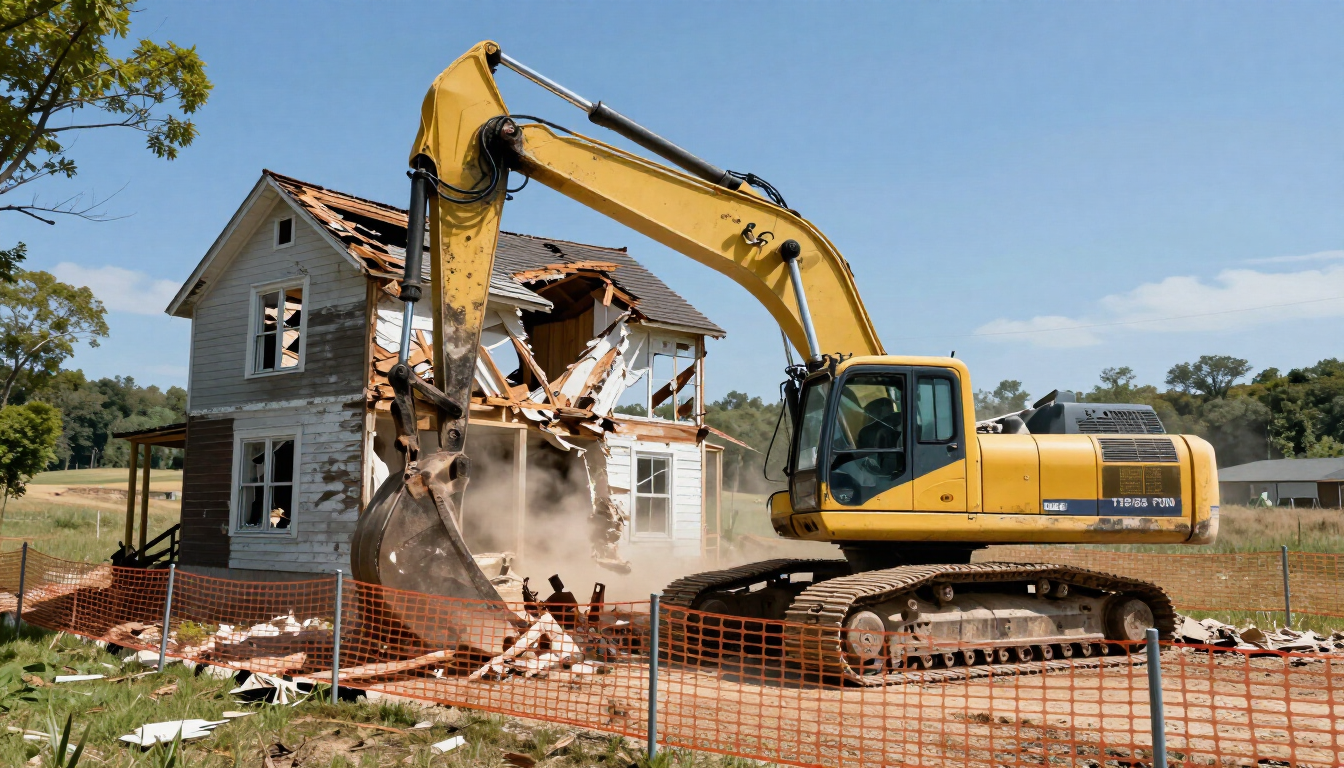
Using heavy machinery, the demolition team systematically takes down the structure. They usually start from the top and work their way down, or pull the building inward to contain the debris field. This method minimizes dust and prevents material from falling outside the designated zone.
5. Debris Removal and Sorting
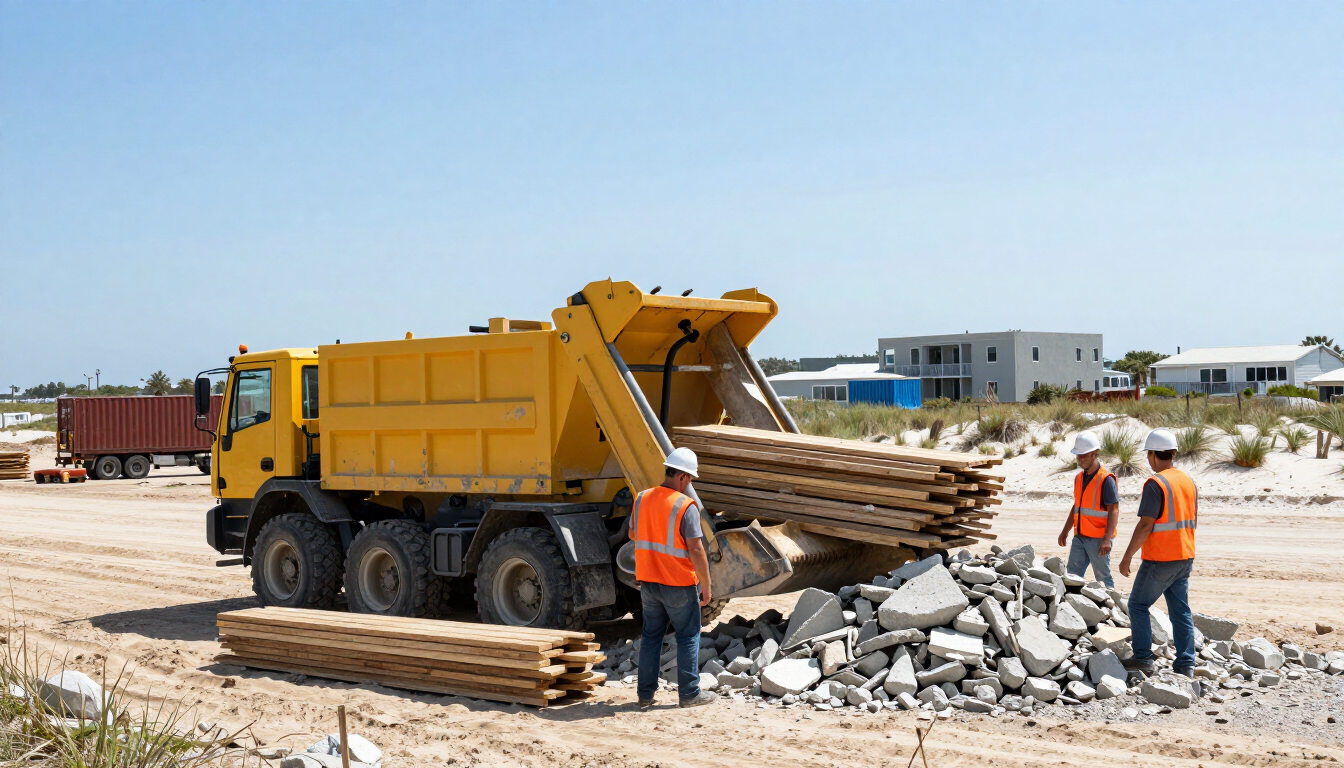
A significant portion of a demolition project involves hauling. Wood, metal, and concrete are often sorted so they can be recycled. Professional demolition services ensure that all waste is taken to licensed landfills or recycling centers, keeping our local communities clean.
Why is professional site work essential before demolition?
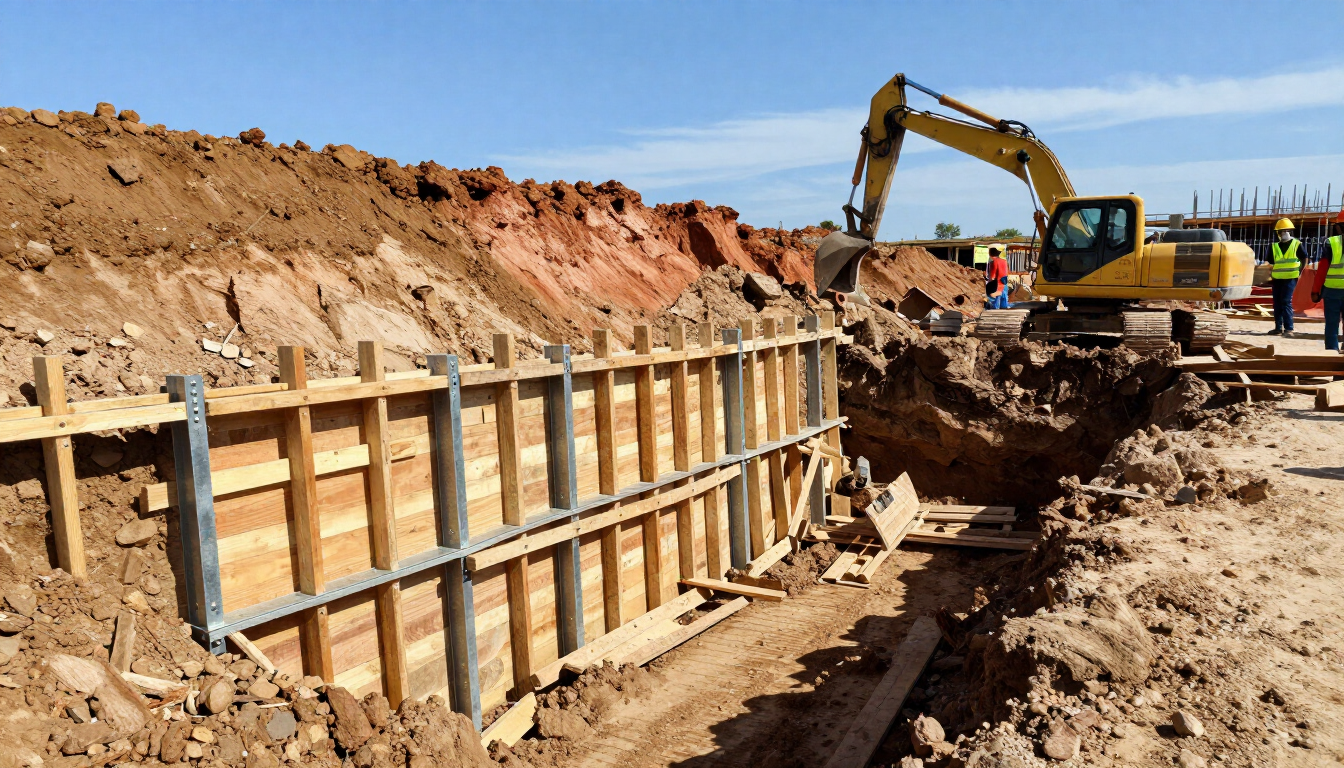
Demolition is often the first step in a larger construction journey. If the site is not handled correctly during the teardown, it can create massive headaches for the builders who follow. Professional site work ensures that the ground is stable and ready for the next phase. This includes removing the old foundation entirely and addressing any underground obstructions like old pipes or large boulders.
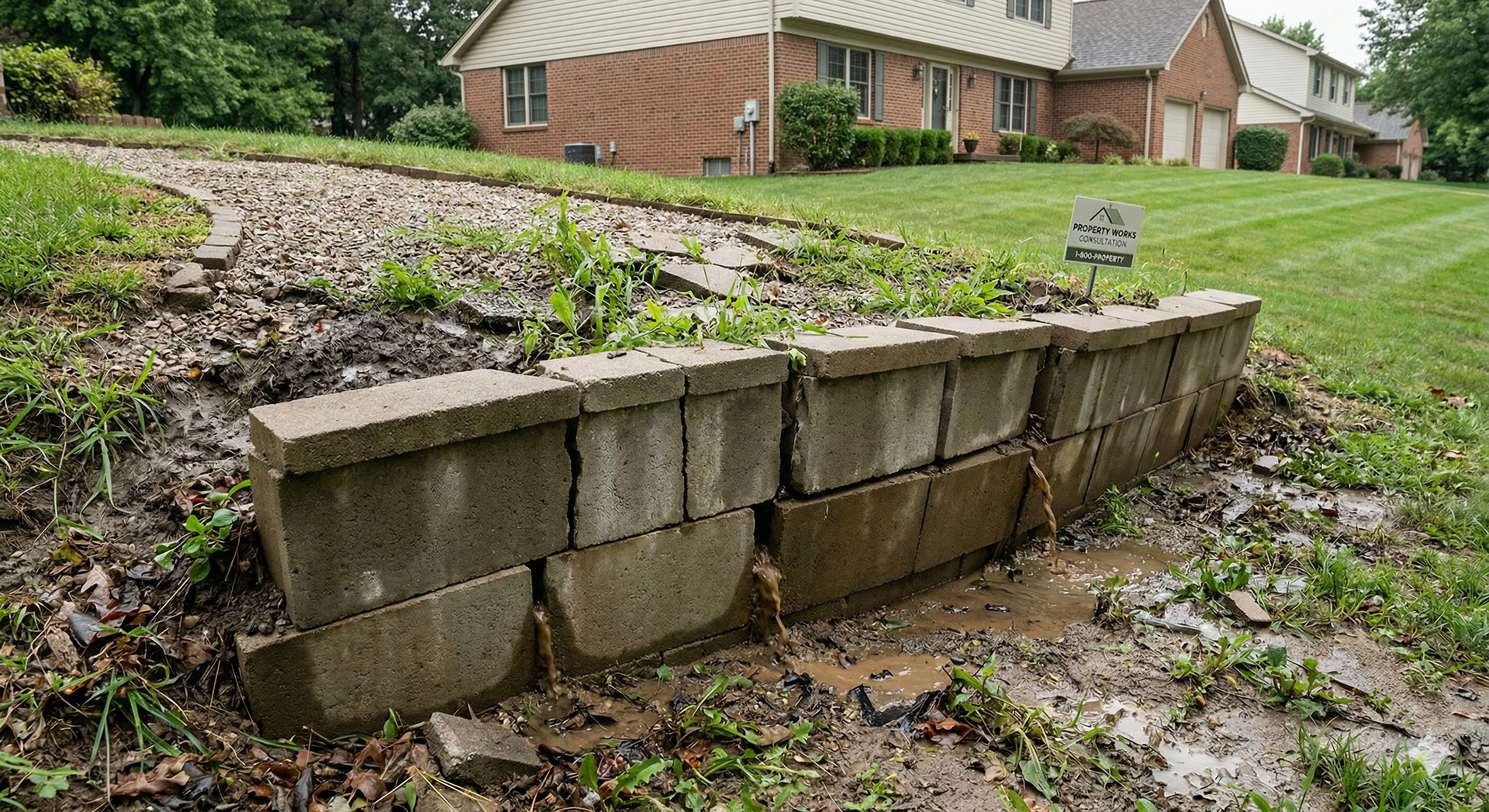
Furthermore, land grading & leveling is often required immediately after the debris is cleared. Without proper grading, the newly cleared lot could suffer from drainage issues, leading to basement flooding or soil erosion in the future. By integrating demolition with comprehensive excavation services , you ensure that your property is perfectly prepped for its new purpose.
Environmental Safety and Debris Management
In Southern Maryland, we are stewards of a delicate ecosystem. Home demolition services must account for the impact on local groundwater and air quality. Dust control measures, such as spraying water during the teardown, help keep particulate matter from spreading to neighboring homes.
Debris management is equally important. Many people don't realize that concrete and asphalt can often be crushed and reused as base material for new driveways or concrete services . Choosing a contractor who prioritizes recycling not only helps the environment but can sometimes reduce your overall disposal costs.
Finding Reliable Demolition Contractors in Southern MD
Selecting the right partner for your project is about more than just finding the lowest price. You need a team that knows the local terrain and the local bureaucracy. From the suburbs near DC to the rural reaches of St. Mary's County, the right demolition contractor will treat your property with the same care they'd take with their own.
What to Look for in a Demolition Partner
When vetting demolition contractors in Southern Maryland, keep these qualifications top of mind:
- Proper Licensing and Insurance: Confirm the contractor carries Maryland-specific demolition licensing along with general liability and workers' compensation coverage. This protects you if anything goes wrong on-site.
- Local Permit Experience: A contractor who regularly pulls permits in Calvert, Charles, and St. Mary's counties will move through the approval process faster than one unfamiliar with local requirements.
- Transparent Estimates: Look for a written quote that breaks down labor, disposal, permit fees, and any anticipated hazardous material costs upfront, rather than a vague lump sum.
- Equipment and Crew Size: Ask whether the company owns its own excavators and hauling trucks or subcontracts the work. In-house equipment often means better scheduling control and accountability.
- References and Past Projects: A reputable contractor should be able to point to completed teardowns in your area and speak to how they handled site-specific challenges like waterfront setbacks or septic decommissioning.
Ready to Clear the Way for Your Next Project?
Whether you're preparing a lot for a custom-built home, removing storm-damaged structures, or simply clearing land you've owned for years, professional demolition services take the guesswork — and the risk — out of the process. A qualified Southern Maryland contractor will guide you from permitting through final site cleanup, leaving you with a safe, level lot ready for what comes next.
If you're planning a residential demolition project, reach out for a free on-site estimate. A quick walkthrough can identify potential complications early and give you a clear, honest picture of cost and timeline before you commit.
Frequently Asked Questions About Home Demolition in Southern Maryland
How long does a typical home demolition take?
Most residential demolitions in Southern Maryland take one to three days for the actual teardown, though the full process — including permitting, utility disconnection, and debris hauling — usually spans two to four weeks from start to finish. Larger homes, brick or concrete structures, and properties with hazardous materials will extend that timeline.
Do I need a permit to demolish a house in Southern Maryland?
Yes. Every county in Southern Maryland — Calvert, Charles, and St. Mary's — requires a demolition permit before any work begins. Your contractor typically handles this application on your behalf, but you should confirm it's included in your quote, since permit turnaround times vary by county.
What happens to the debris after a house is torn down?
Debris is sorted on-site whenever possible, with wood, metal, and concrete separated for recycling. Concrete and asphalt can often be crushed and reused as base material for driveways or other projects, while remaining waste is hauled to licensed landfills or recycling centers.
Is asbestos testing required before demolition?
Homes built before the 1980s are commonly tested for asbestos and lead-based paint before demolition begins. If hazardous materials are found, a licensed abatement team must remove them under strict safety protocols before the main teardown can proceed.
Can I stay on the property during demolition?
No. The structure must be vacant, and it's standard practice to keep the immediate area clear of people during active demolition for safety reasons. Utilities are disconnected beforehand, and your contractor will let you know when it's safe to return to the site.
What happens to my septic system and well during demolition?
In rural parts of Southern Maryland, septic tanks and wells must be properly decommissioned as part of the demolition process. Skipping this step can lead to ground sinks or contamination down the line, so make sure your contractor addresses it explicitly in their scope of work.
Will demolition affect my neighbors' property?
A professional crew takes precautions like installing silt fences, using dust control methods, and demolishing in a controlled, directional manner to prevent debris and runoff from affecting neighboring properties or nearby waterways like the Patuxent or Potomac Rivers.
Is the lot ready to build on immediately after demolition?
Not always. Full foundation removal and proper land grading are often needed after debris is cleared to prevent drainage issues or soil erosion later on. It's worth confirming whether grading and foundation removal are included in your demolition quote or handled as a separate excavation service.
Recent Posts