10 Common Excavation Hazards (2026 MD Guide)
Common excavation hazards include cave-ins, underground utility strikes, falls, hazardous atmospheres, and heavy equipment accidents. Cave-ins are the most dangerous, occurring when soil walls collapse unexpectedly. Identifying such risks through soil analysis and professional trench shoring is vital for safety on Southern Maryland construction and demolition sites.
What are the most common excavation hazards?
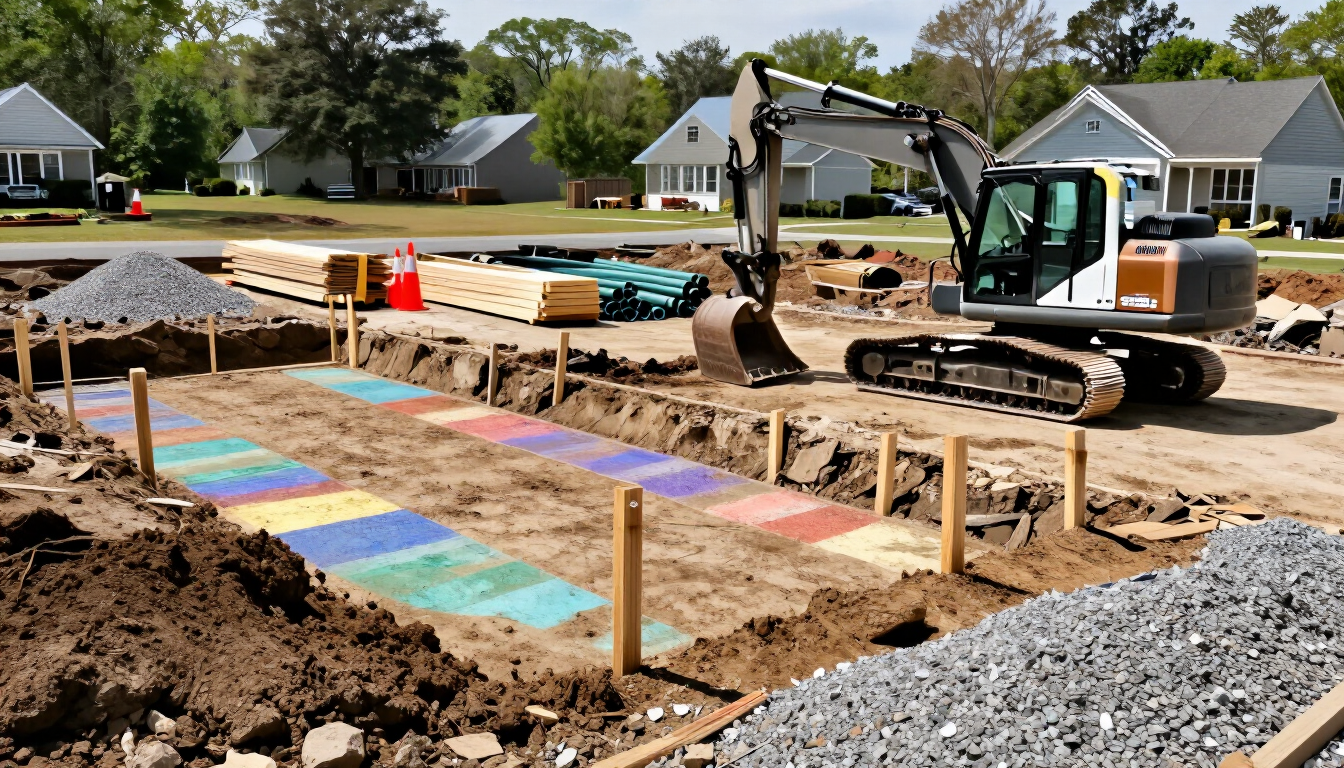
Excavation is a fundamental part of almost every construction project in Southern Maryland, from building a new home foundation to installing complex drainage systems. However, it is also one of the most dangerous phases of construction. The primary excavation hazards that homeowners and contractors have to navigate include soil instability leading to cave-ins, accidental contact with buried power or gas lines, and falls into open trenches. Additionally, workers may face risks from mobile equipment moving around the site and the risk of hazardous atmospheres in deep excavations where oxygen may be displaced or toxic gases could accumulate.
Apprehending these risks is the initial step toward a successful project. Whether you are looking into excavation services for a new build or need specialized site work , safety procedures are non-negotiable. In Southern Maryland, our unique coastal geology and variable water table introduce layers of complexity to these standard risks, making professional expertise even more vital.
Cave-ins: The Leading Risk in Trenching
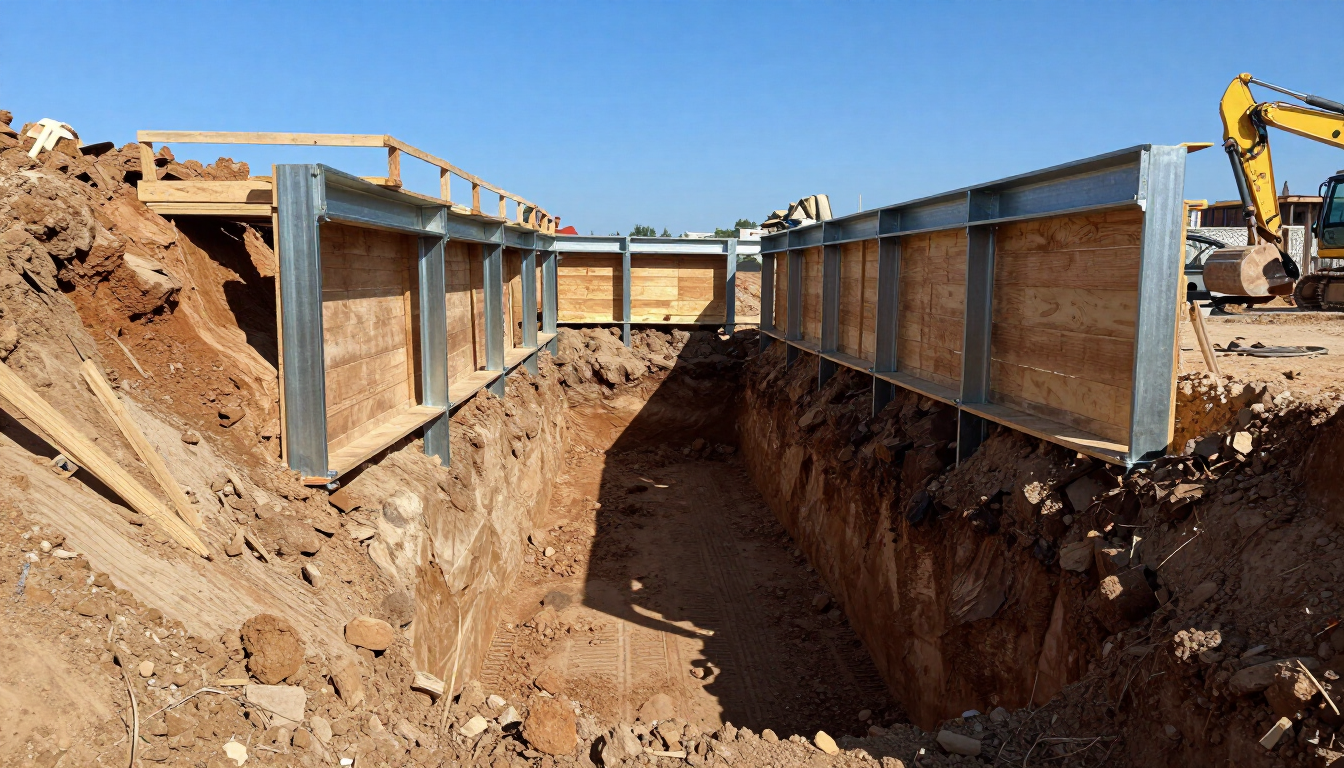
A cave-in occurs when the walls of an excavation collapse, potentially trapping or burying anyone inside. This is widely considered the most significant hazard in the industry because it often happens without warning. A single cubic yard of soil can weigh as much as a small car, making it nearly impossible for a person to escape once the earth begins to move.
Soil types play a huge role in determining cave-in risk. In our region, we often deal with a combination of sandy loam and clay. OSHA classifies soil into three main categories:
- Type A Soil: Most stable, like clay or caliche.
- Type B Soil: Medium stability, including silt or crushed rock.
- Type C Soil: Least stable, such as gravel or sand.
- Unclassified Soil: Soils that have been previously disturbed.
Because Southern Maryland has many areas with high sand content, many sites fall under Type C, which requires the most stringent protection measures, such as sloping, benching, or the use of trench boxes.
Why are underground utility strikes so dangerous?
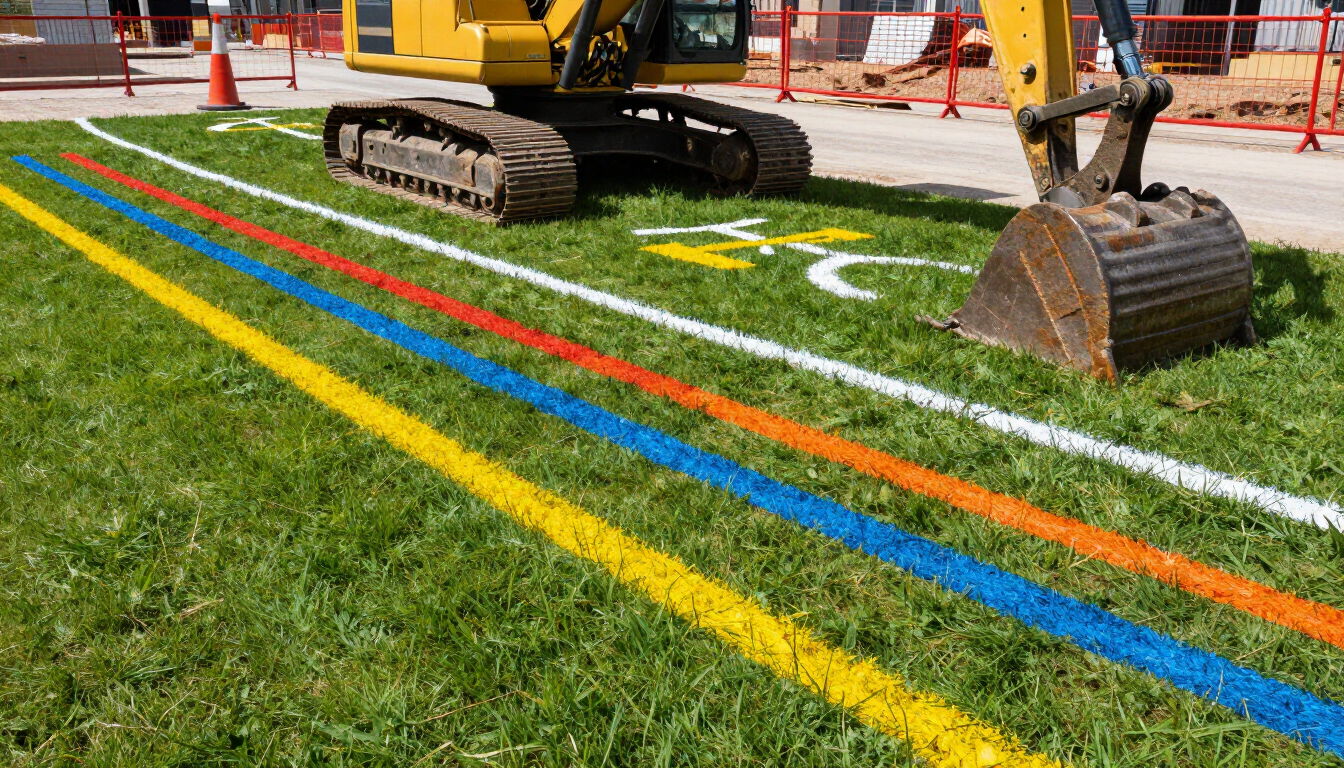
Before any shovel hits the ground in Southern Maryland, identifying what lies beneath is critical. Underground utility strikes—hitting water pipes, gas lines, electrical conduits, or fiber optic cables—pose direct and intense threats. A gas line rupture can lead to explosions, while hitting an electrical line can result in fatal electrocution. Beyond the physical danger, utility strikes cause massive project delays, expensive repair costs, and potential service outages for the entire neighborhood.
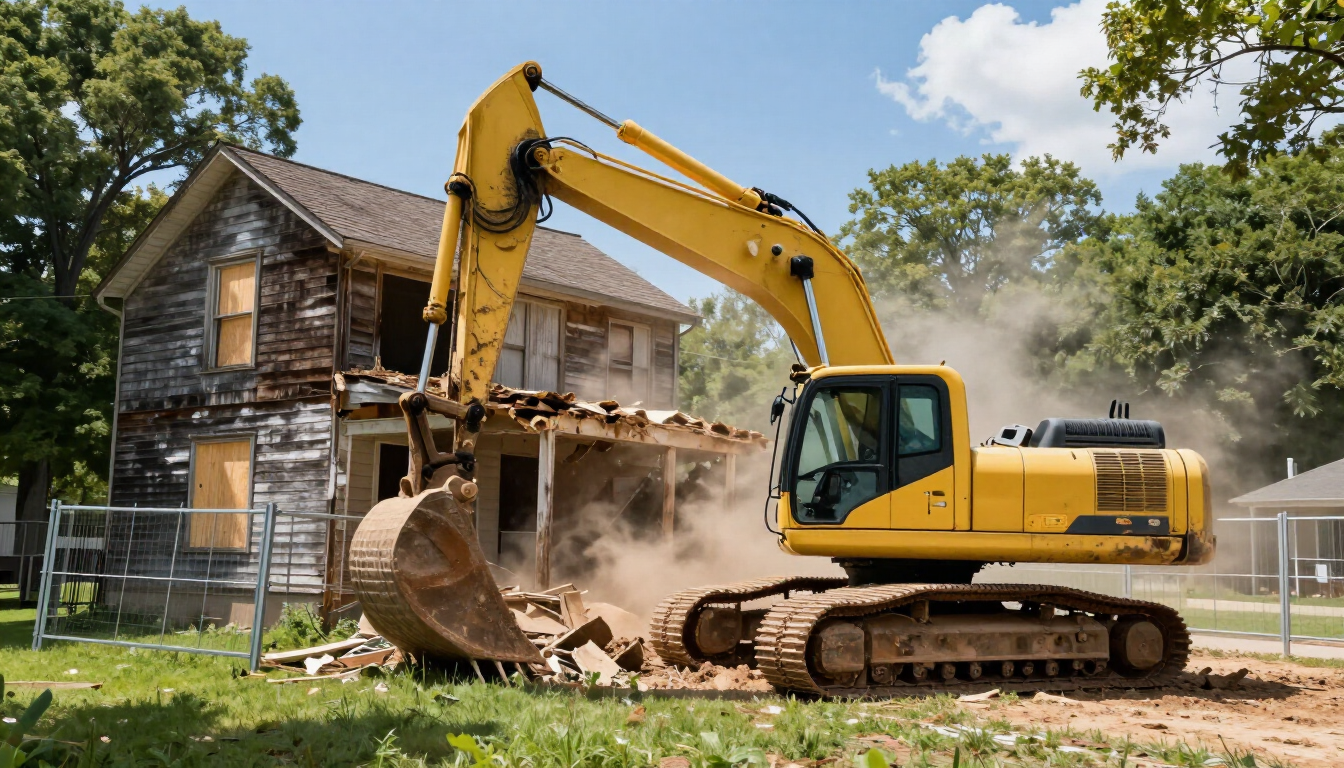
In Maryland, the "Miss Utility" system is the law, but skilled excavators go a step further. We use advanced locating techniques to ensure that even private lines, which may not be covered by public utility markers, are identified. This is especially important during demolition services where old, undocumented lines might still be active. Avoiding these hazards requires a combination of attentive planning and manual "soft digging" near marked lines.
Commonly struck utilities include:
- Natural gas and propane lines.
- High-voltage electrical cables.
- Water mains and residential service lines.
- Sanitary sewer and septic systems.
- Fiber optic and telecommunications cables.
Environmental Factors: Water and Hazardous Air
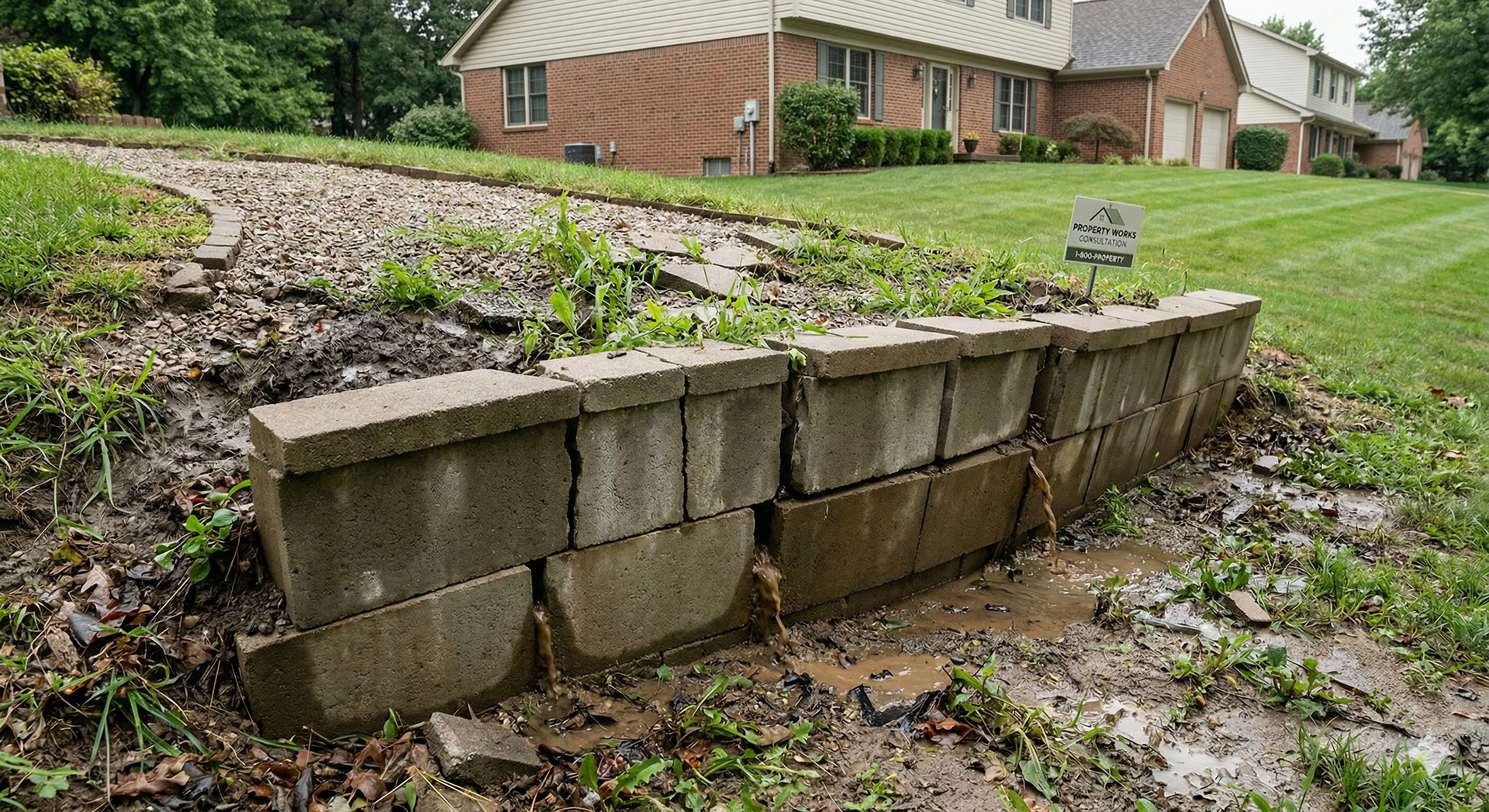
Southern Maryland’s proximity to the Chesapeake Bay and various tributaries means that groundwater is a constant factor in excavation safety. Excessive water collection in a trench can undercut the side walls, leading to sudden collapses even in apparently stable soil. We frequently integrate stormwater management strategies early in the excavation phase to divert surface runoff and pump out groundwater, keeping the site dry and stable.
Atmospheric hazards are another "invisible" danger. In deep excavations or those near existing sewer lines and landfills, dangerous gases like methane, carbon monoxide, or hydrogen sulfide can collect. Because these gases are often heavier than air, they settle at the bottom of the trench. Professional teams use calibrated air monitors to check oxygen levels and gas concentrations before any worker enters a deep trench, guaranteeing the environment is safe for human occupancy.
How does heavy equipment contribute to site hazards?
The presence of large machinery like backhoes, excavators, and skid steers introduces "struck-by" hazards. Operators often have limited visibility, and the swing radius of an excavator can be a lethal zone for workers on foot. Furthermore, heavy equipment operating too close to the edge of an open trench increases the pressure on the soil walls, significantly raising the risk of a cave-in. This is why proper land grading and site layout are essential to keep traffic flow organized and safe.
In order to mitigate these risks, we implement strict safety zones. No one should stand between a piece of equipment and a fixed object, and all ground personnel must maintain eye contact with the operator. In residential areas across Southern MD , where space can be tight, managing equipment movement is a core part of our safety strategy. We also ensure that all equipment is regularly inspected for hydraulic leaks or mechanical failures which could lead to accidents.
Southern Maryland Excavation Safety Expertise
Choosing a local expert for your excavation, concrete, and demolition needs signifies choosing a group that understands the local terrain. From the clay-heavy soils of Leonardtown to the sandy shores of Calvert County, we adapt our safety procedures to fit the specific environment. Our comprehensive approach makes sure that whether we are performing concrete services or complex site preparation, the safety of our crew and your property is the top priority.
Our regional expertise allows us to predict challenges before they become hazards. We manage all from initial brush and tree clearing to the final sediment control measures. By preserving high standards for training and equipment maintenance, we produce results that are not just high-quality, but also safely executed.
Frequently Asked Questions
What types of excavation, concrete and demolition services do you offer in Southern MD? We provide a full set of services including residential and commercial excavation, land clearing, trenching for utilities, and building pad preparation. Our concrete team manages everything from foundations and concrete patios to decorative finishes. We also offer full structural demolition and site cleanup, ensuring a blank canvas for your next project.
How deep can a trench be before it needs shoring? According to OSHA standards, any trench 5 feet deep or greater requires a protective system such as shoring, shielding, or sloping. However, if the soil is unstable (Type C), protection may be required at even shallower depths. Our team evaluates every site individually to determine the safest approach.
Why is water management important during excavation? Water is the enemy of soil firmness. It increases the mass of the soil and acts as a lubricant, making cave-ins much more likely. Proper drainage and dewatering are key for maintaining the integrity of the excavation walls and assuring a safe work environment.
Can I do my own excavation for a small home project? While small-scale digging might seem simple, the risks remain high. Hidden utilities, shifting soil, and the lack of proper equipment can turn a weekend project into a disaster. Hiring a specialist ensures the job is done according to code and with the proper safety gear.
Key Takeaways for Your Next Project
Staying safe during excavation requires care and qualified supervision. Through understanding the core hazards, you can better prepare for your project and guarantee a smooth process. Keep these points in mind:
- Prioritize the Soil Analysis: Know your soil type before you dig to prevent cave-ins.
- Always Call Miss Utility: Never assume you know where lines are buried.
- Manage Water Levels: Keep the site dry to maintain wall stability.
- Respect Equipment Zones: Keep clear of heavy machinery and swing radii.
- Hire Local Experts: Use professionals who know Southern Maryland’s special challenges.
Ready to start your project safely? Contact us today for a consultation on your excavation or demolition needs.
Recent Posts