Retaining Wall Contractor Southern MD
Retaining Wall Solutions
At Adams Property Works, we specialize in engineering and installing retaining walls that blend structural integrity with aesthetic appeal. Whether you are looking to combat soil erosion, create level planting beds, or add tiered functionality to a sloped yard, choosing the right material is the first step.
Concrete Retaining Walls
Concrete is the industry standard for durability and longevity. We offer two primary types: Segmental Block and Poured Concrete.
Longevity: Can last 50–100 years with minimal maintenance.
Design Flexibility: Available in a vast array of colors, textures, and patterns that mimic natural stone.
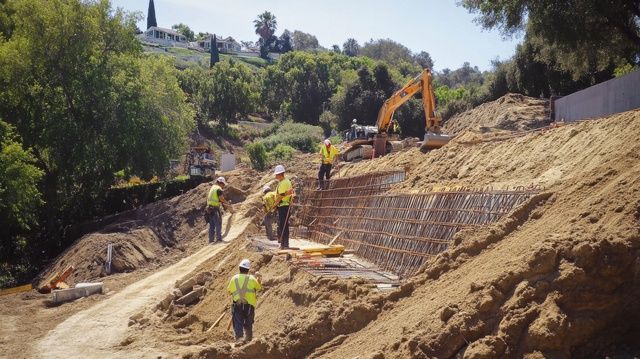
Strength: Ideal for high-pressure areas or tall slopes where structural reinforcement (like geogrid) is required.
Resistance: Immune to rot, termites, and fire.
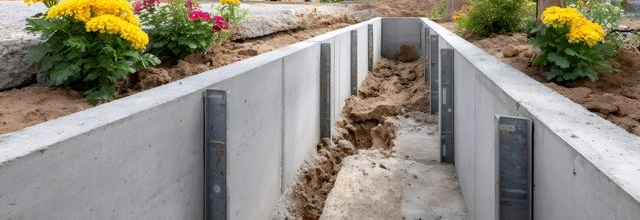
Pro Tip: Segmental blocks are "dry-stacked," meaning they allow for slight movement and drainage, making them less prone to cracking than solid poured walls in shifting soils.
Wood Retaining Walls
Wooden walls offer a natural, rustic look that integrates seamlessly into garden landscapes. We typically use pressure-treated timbers or rot-resistant hardwoods.
Cost-Effective: Generally has a lower upfront cost for materials and labor compared to concrete.
Aesthetic: Provides a warm, organic feel that complements traditional or "woodsy" landscapes.
Installation: Quicker to install for low-to-medium height garden borders.
Lifespan: Typically lasts 15–25 years depending on wood type and soil moisture levels.
| Feature | Concrete Blocks | Wood Timbers |
|---|---|---|
| Initial Cost | Higher | Lower |
| Maintenance | Very Low | Moderate (staining/sealing) |
| Durability | Excellent | Good |
| Best For | Structural support & longevity | Decorative beds & budget projects |
| Permeability | Built-in drainage gaps | Requires specific drainage pipe |
Essential Engineering: Drainage
Regardless of the material, the "silent killer" of any retaining wall is hydrostatic pressure (water buildup behind the wall).
Every Adams Property Works installation includes:
Gravel Backfill: To allow water to move downward.
Filter Fabric: To prevent soil from clogging the drainage stone.
Perforated Weep Holes/Pipes: To channel water safely away from the wall base.